
Drug Allergy: Symptoms, Causes and What to Do
A drug allergy is an immune-system reaction to a medication, which is different from a side effect (a known, non-immune effect like nausea). Symptoms range from mild — rash, hives, itching — to severe, including anaphylaxis, and they most often appear within an hour or two of taking the drug. Penicillin is the most common cause, but more than 90% of people who think they're penicillin-allergic turn out not to be when tested, so allergy testing is important. A severe reaction is a 911 emergency.
Quick answer
A drug allergy is an immune-system reaction to a medication, different from a side effect like nausea. Symptoms range from mild (rash, hives, itching) to severe (anaphylaxis) and usually appear within an hour or two of taking the drug. Penicillin is the most common cause, but more than 90% of people who think they're penicillin-allergic turn out not to be when tested, so allergy testing is important. A severe reaction is a 911 emergency.
What you need to know
- A drug allergy is an immune reaction to a medication; a side effect (like mild nausea or a headache) is a known, non-immune effect — they're not the same.
- Symptoms range from mild (rash, hives, itching, swelling) to severe (anaphylaxis with trouble breathing and throat swelling).
- Reactions most often appear within an hour or two of taking the drug, though delayed reactions can occur hours to days later.
- Penicillin is the most common drug allergy, but more than 90% of people labeled penicillin-allergic are not actually allergic when tested.
- Being incorrectly labeled penicillin-allergic can push you toward other antibiotics that may be less ideal, which is why testing and accurate labeling matter.
- A severe reaction (anaphylaxis) is a medical emergency — use epinephrine if prescribed and call 911.
Drug Allergy vs. Side Effect
This distinction matters because the two are managed very differently. A drug allergy happens when your immune system treats a medication as a threat and reacts against it, producing symptoms like rash, hives, or in severe cases anaphylaxis. A side effect, by contrast, is a known, non-immune effect of the drug — for example mild nausea, a headache, or diarrhea. Symptoms of the illness being treated, or unrelated symptoms, are also sometimes mistaken for a drug allergy. Sorting out which is which usually needs a clinician's help, because labeling something a true allergy can affect your future care.
Symptoms of a Drug Allergy
| Severity | Typical symptoms |
|---|---|
| Mild to moderate | Skin rash, hives, itching, or swelling under the skin (angioedema), sometimes around the face |
| More significant | Wheezing, widespread hives, or swelling that's spreading |
| Severe (anaphylaxis) | Trouble breathing, swelling of the throat or tongue, dizziness, or loss of consciousness — can affect two or more body systems at once |
Symptoms most often appear within an hour or two of taking the medication, though some reactions are delayed by hours or days. See our anaphylaxis guide for the full picture of a severe reaction.
Penicillin: The Most Common — and Most Over-Labeled
Penicillin is the drug people are most often allergic to, but it's also frequently mislabeled. More than 90% of people who believe they're allergic to penicillin are found not to be when properly tested, and many who were genuinely allergic lose that sensitivity over time. Carrying an inaccurate penicillin-allergy label isn't harmless: it can lead clinicians to choose alternative antibiotics that may be broader, more expensive, or less effective for a given infection. This is why allergists encourage testing to confirm or remove ("de-label") a penicillin allergy.
Testing and Management
- An allergist can evaluate a suspected drug allergy, often with skin testing (for penicillin) and sometimes a supervised challenge
- If you have a confirmed drug allergy, tell every healthcare provider and pharmacist, and consider medical alert identification
- Don't stop a prescribed medication on your own based on a suspected reaction without medical advice, unless the reaction is severe
- Ask whether a suspected penicillin allergy can be tested, since accurate labeling improves future care
For how drug-allergy testing fits with allergy testing generally, see our allergy testing and skin prick test guides.
When to seek care
Routine
You have a documented drug allergy label (like penicillin) and want to discuss whether testing could confirm or remove it.
Prompt (within days)
A mild reaction such as a rash after starting a medication — contact the prescriber before your next dose for guidance.
Urgent (same day)
A spreading rash, widespread hives, or swelling after a medication, even without breathing trouble.
Emergency (call 911)
Trouble breathing, swelling of the throat or tongue, dizziness, or fainting after a medication — signs of anaphylaxis. Use epinephrine if prescribed and call 911.
Practical next steps
Safe general steps
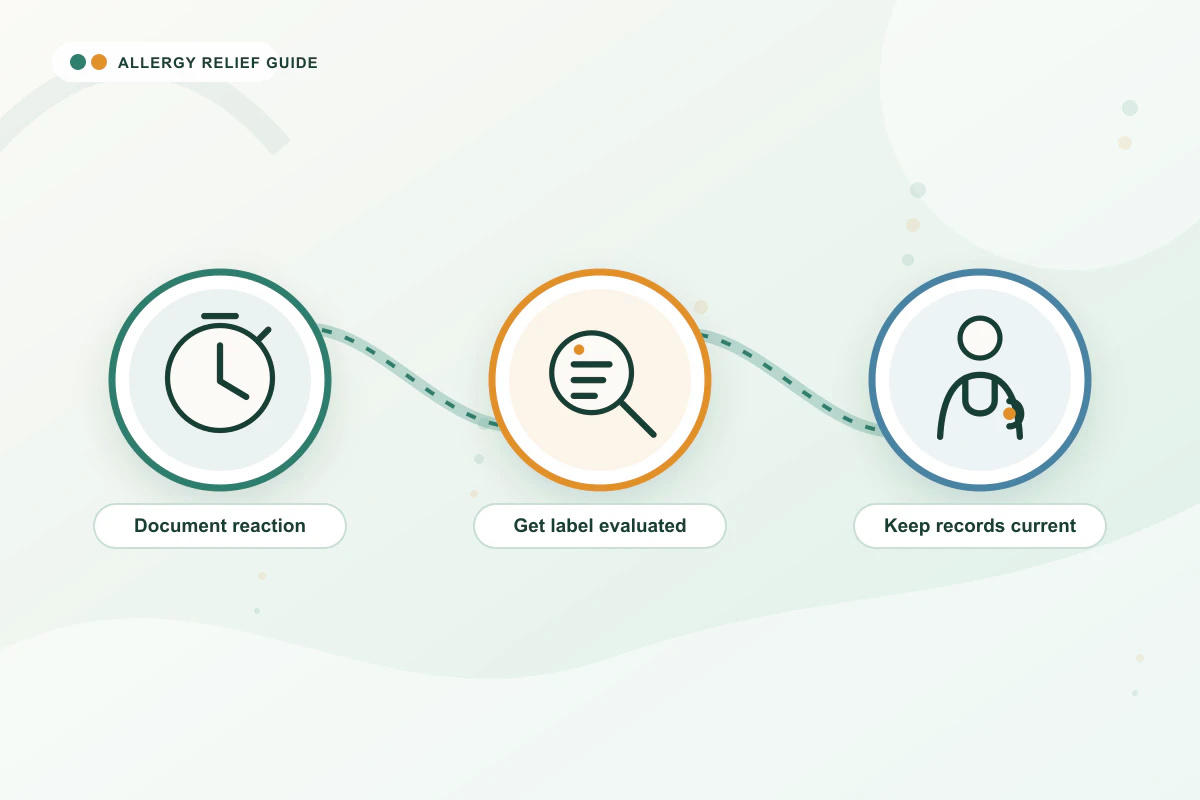
- Note exactly which medication, what symptoms, and how soon after the dose they appeared
- Tell all your healthcare providers and pharmacist about any suspected drug allergy
- Ask an allergist whether a penicillin-allergy label can be tested and possibly removed
- Consider medical alert identification for a confirmed serious drug allergy
Actions that need medical guidance
- Deciding whether a reaction was a true allergy or a side effect
- Whether to continue, stop, or switch a prescribed medication
- Penicillin allergy testing and de-labeling
Don't attempt without professional advice
- Don't stop a prescribed medicine on your own for a mild suspected reaction without contacting the prescriber (unless the reaction is severe)
- Don't assume a childhood penicillin-allergy label is still accurate — ask about testing
- Don't wait out breathing trouble or throat swelling after a medication — treat it as an emergency
Frequently asked questions
What's the difference between a drug allergy and a side effect?
What are the symptoms of a drug allergy?
Is penicillin allergy common?
Should I get tested for penicillin allergy?
How soon do drug allergy symptoms appear?
When is a drug reaction an emergency?
Sources
- ACAAI Patient — Drug Allergies
- Mayo Clinic — Penicillin allergy - Symptoms & causes
- MedlinePlus (NIH/NLM) — Drug Reactions
Medical disclaimer: This guide is for general education and isn't a substitute for personalized medical advice. It doesn't provide dosing. Always talk to a qualified healthcare professional about your symptoms and treatment.
 MD
MDMedically reviewed
Dr. Hannah H. Walford, MD
Allergist and Immunologist
- Website role
- Owner, Medical Director and Medical Reviewer of Allergy Relief Guide
- Professional affiliation
- Stanford Health Care / Menlo Medical Clinic, Menlo Park, California
- Areas of expertise
- Food allergy, eczema, allergic rhinitis, sinusitis and asthma
Dr. Hannah H. Walford is a board-certified allergist and immunologist experienced in caring for adults and children with allergic conditions. Her areas of expertise include food allergy, eczema, allergic rhinitis, sinusitis and asthma. She provides medical leadership and review oversight for the educational health content published by Allergy Relief Guide.
Medical content is provided for education and is not a substitute for diagnosis or individualized medical care.
Related guides
Continue building your allergy plan
Explore related guides to understand the full picture, from triggers to treatment to safety.
See the types of allergies guide