
Skin Prick Allergy Test: How It Works and What Results Mean
A skin prick test (also called a scratch or puncture test) is one of the most common ways allergists check for allergies. Small drops of allergen extracts are placed on the skin, usually the forearm or back, and the skin is lightly pricked so a tiny amount can enter. If you're sensitized, a small raised, itchy bump like a mosquito bite appears within about 15 to 20 minutes. Because antihistamines suppress this reaction, they usually need to be stopped for several days beforehand. Results are read alongside your symptom history by a clinician, not on their own.
Quick answer
A skin prick test places small drops of allergen extract on the skin (usually the forearm or back) and lightly pricks it so a tiny amount can enter. If you're sensitized, a small raised, itchy bump appears within about 15 to 20 minutes. Antihistamines suppress this reaction and usually need to be stopped for several days beforehand. Results are interpreted alongside your symptom history by a clinician.
What you need to know
- A skin prick test checks for allergen sensitization by placing allergen extracts on the skin and lightly pricking it, with results visible within about 15–20 minutes.
- It's a common first-line allergy test because results are fast and it can screen many allergens in one sitting.
- Antihistamines suppress the skin's reaction and usually need to be stopped in advance — often about 5 days for long-acting ones like cetirizine, loratadine, and fexofenadine, and roughly 48 hours for short-acting diphenhydramine; always follow your allergist's specific instructions.
- Nasal steroid sprays and asthma medicines generally do not interfere and usually don't need to be stopped.
- A positive result (a raised, itchy bump) means sensitization, not necessarily a clinically significant allergy — it's interpreted alongside your symptoms.
- Serious reactions during testing are very rare; the allergist uses positive and negative control pricks to make sure results are valid.
How a Skin Prick Test Works
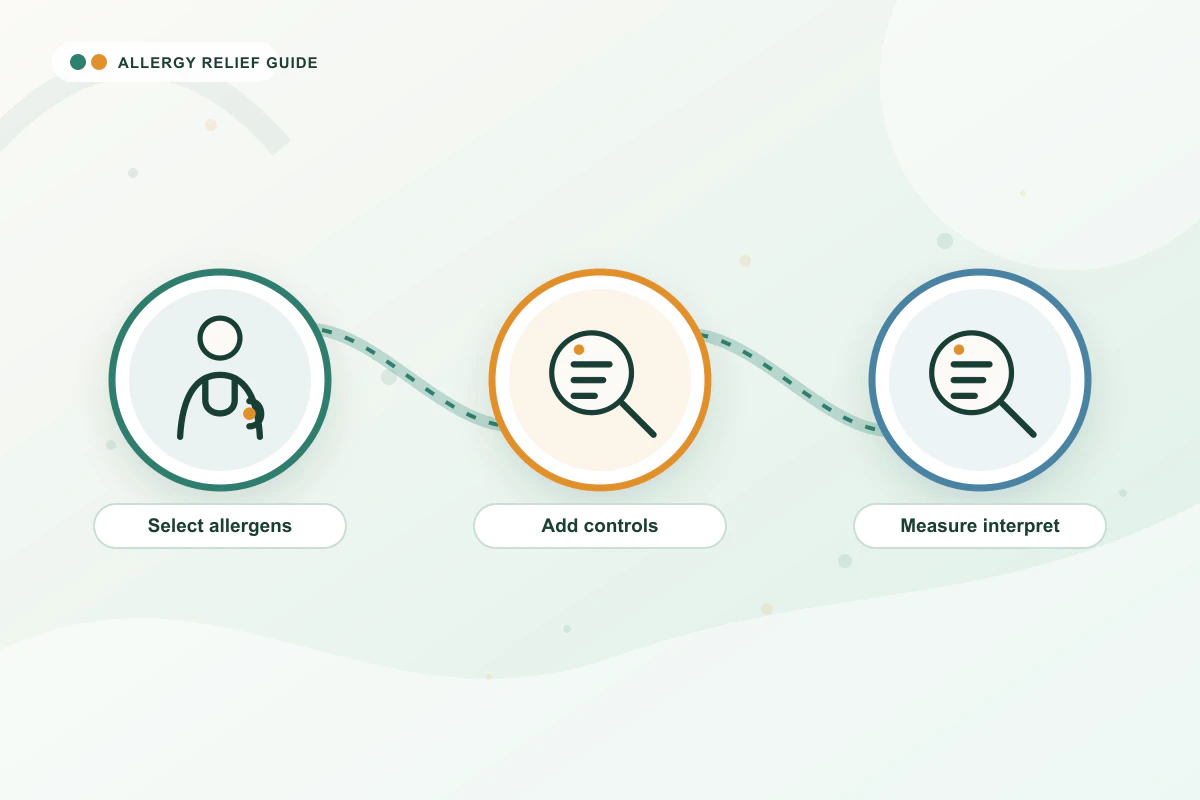
During a skin prick test, a clinician places small drops of purified allergen extracts — for example pollen, dust mite, pet dander, mold, or specific foods — onto the skin, usually on the forearm or upper back. The skin under each drop is then lightly pricked or scratched with a small device so a tiny amount of the extract can enter the top layer of skin. This isn't an injection, and it generally causes only mild, brief discomfort. Testing several allergens at once is common, so you may have a grid of small marks during the appointment.
What to Expect During the Appointment
If you're sensitized to one of the allergens tested, a small raised, itchy bump resembling a mosquito bite (called a wheal) typically appears at that spot within about 15 to 20 minutes. The allergist measures each reaction and compares it against two controls: a positive control (usually histamine, which should produce a bump, confirming your skin can react) and a negative control (usually saline, which should not). This is why the whole appointment often takes up to about two hours including the wait. Any itching from a positive spot usually settles within an hour or so.
Medications to Stop Beforehand
Because antihistamines block the histamine response the test relies on, they can suppress or completely flatten skin test reactions and usually need to be stopped in advance. General timing looks like this, but your allergist's instructions take priority:
| Medication type | Examples | Typical stop time before testing |
|---|---|---|
| Long-acting antihistamines | cetirizine, loratadine, fexofenadine | About 5 days |
| Short-acting antihistamines | chlorpheniramine, diphenhydramine | About 48 hours |
| Certain others with antihistamine effects | hydroxyzine; some tricyclic antidepressants such as doxepin | Longer — ask your allergist (hydroxyzine can require about 10 days) |
| Nasal steroid sprays and asthma medicines | — | Generally do not need to be stopped |
Do not stop a prescription medication such as an antidepressant or a beta-blocker on your own to prepare for testing; tell your allergist what you take and let them coordinate any changes. Beta-blockers don't suppress the test itself, but they can complicate treatment if a rare severe reaction occurs, so the allergist needs to know.
Skin Prick Test vs. Blood Test
A skin prick test gives fast, same-visit results and is often the first-line approach, while a specific IgE blood test needs a lab and takes longer but isn't affected by antihistamines or by widespread skin conditions. For many common allergens the two are broadly comparable in accuracy. Your allergist may prefer the blood test in certain situations — for example, if you can't safely stop antihistamines, have extensive eczema, or have a history suggesting a higher risk from skin testing. See our allergy blood test guide for a side-by-side comparison, and our allergy testing overview for the full picture.
When to seek care
Routine
You and your clinician have decided allergy testing is a useful next step for identifying your triggers.
Prompt (within days)
Ongoing allergy symptoms without a clear cause, where confirming specific triggers could guide treatment.
Urgent (same day)
You've been advised to have skin testing but have a history of a severe allergic reaction — ask whether a blood test is a safer option for you.
Emergency (call 911)
A skin prick test doesn't address an active severe reaction. For difficulty breathing, swelling of the lips, tongue, or throat, or widespread hives after any exposure, call 911.
Practical next steps
Safe general steps
- Ask your allergist exactly which medications to stop and for how long before your appointment
- Keep taking nasal steroid sprays and asthma medicines unless told otherwise
- Bring a full list of your medications and supplements to the appointment
- Plan for the visit to take up to about two hours
Actions that need medical guidance
- Deciding between skin prick testing and a blood test for your situation
- Adjusting any prescription medication before testing
- Interpreting what your results mean for your specific symptoms and treatment
Don't attempt without professional advice
- Don't stop a prescription medication such as an antidepressant or beta-blocker on your own to prepare — ask your allergist to coordinate it
- Don't take antihistamines in the days before testing unless your allergist has told you it's okay
- Don't treat a positive result as a confirmed, symptom-causing allergy without discussing it with your clinician
Frequently asked questions
Does a skin prick test hurt?
How long before a skin prick test should I stop antihistamines?
How fast are skin prick test results?
What does a positive skin prick test mean?
Do I need to stop my nasal spray or asthma inhaler before testing?
Is a skin prick test safe?
Sources
- ACAAI Patient — Allergy Testing
- ACAAI Patient — Testing and Diagnosis
- Massachusetts General Hospital — Stopping Antihistamines Before Allergy Testing
Medical disclaimer: This guide is for general education and isn't a substitute for personalized medical advice. It doesn't provide dosing. Always talk to a qualified healthcare professional about your symptoms and treatment.
 MD
MDMedically reviewed
Dr. Hannah H. Walford, MD
Allergist and Immunologist
- Website role
- Owner, Medical Director and Medical Reviewer of Allergy Relief Guide
- Professional affiliation
- Stanford Health Care / Menlo Medical Clinic, Menlo Park, California
- Areas of expertise
- Food allergy, eczema, allergic rhinitis, sinusitis and asthma
Dr. Hannah H. Walford is a board-certified allergist and immunologist experienced in caring for adults and children with allergic conditions. Her areas of expertise include food allergy, eczema, allergic rhinitis, sinusitis and asthma. She provides medical leadership and review oversight for the educational health content published by Allergy Relief Guide.
Medical content is provided for education and is not a substitute for diagnosis or individualized medical care.
Continue building your allergy plan
Explore related guides to understand the full picture, from triggers to treatment to safety.
See the full allergy testing guide