Histamine Intolerance: Symptoms, Causes and What It Isn't
Histamine intolerance is not a classic food allergy. It's a proposed condition in which the body has trouble breaking down histamine from food, so histamine builds up and causes symptoms — often linked to low activity of an enzyme called diamine oxidase (DAO). Because histamine is involved in allergic reactions, the symptoms can overlap (flushing, headache, hives, congestion, digestive upset), but the mechanism is different: it's about metabolism, not an IgE immune reaction. It can be hard to diagnose and isn't fully settled science, so ruling out a true allergy and other causes first — with a clinician — matters.
Quick answer
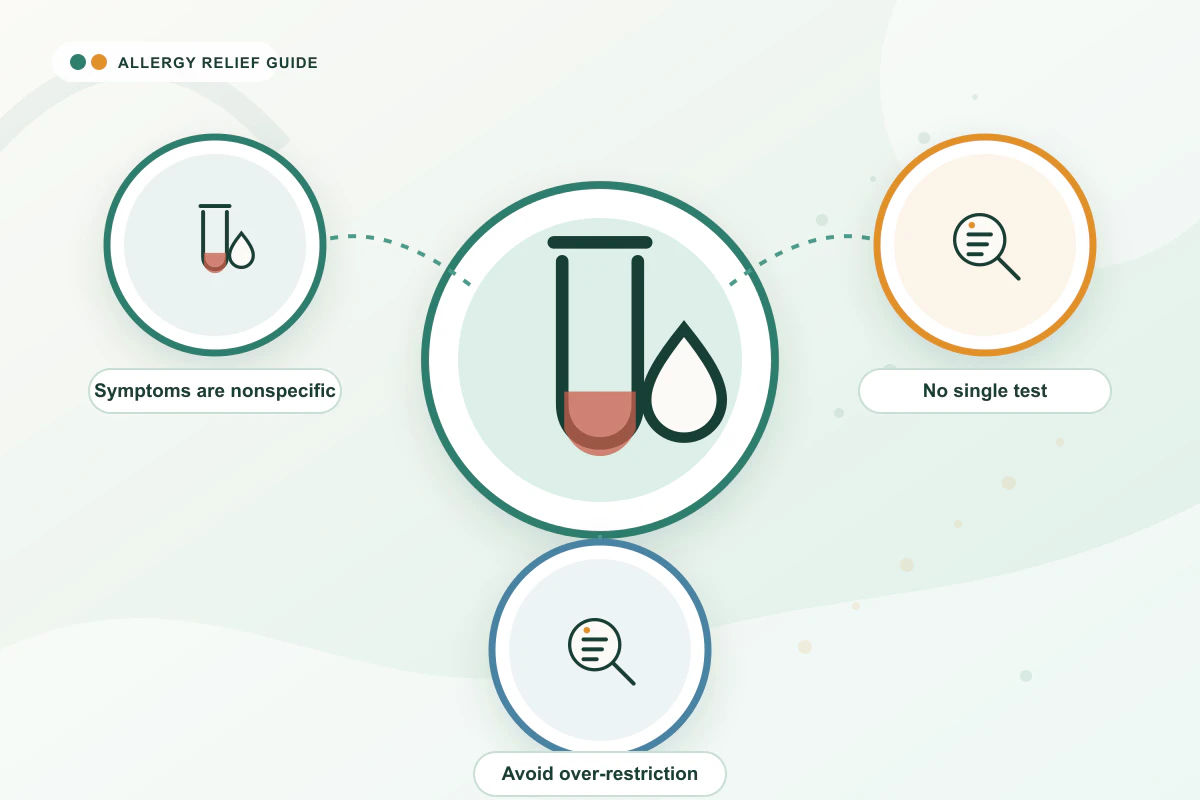
Histamine intolerance is not a classic food allergy. It's a proposed condition where the body struggles to break down dietary histamine — often linked to low activity of the enzyme diamine oxidase (DAO) — so histamine builds up and causes symptoms. Symptoms can overlap with allergy (flushing, headache, hives, congestion, digestive upset), but the mechanism is metabolic, not an IgE immune reaction. It's hard to diagnose, so ruling out a true allergy and other causes first, with a clinician, matters.
What you need to know
- Histamine intolerance is not an IgE food allergy — it's a proposed problem breaking down histamine from food, not an immune reaction to a specific food.
- It's thought to arise from an imbalance between histamine intake and the body's capacity to break it down, often linked to low activity of the DAO enzyme.
- Symptoms overlap with allergy: flushing, headache, hives or itching, nasal congestion, and digestive symptoms like diarrhea.
- High-histamine foods include aged cheeses, fermented foods, cured or smoked meats, wine and other alcohol, and some fish.
- It can be difficult to diagnose and isn't fully established; a true food allergy and other conditions should be ruled out first by a clinician.
- Management usually starts with a supervised low-histamine diet; DAO supplements have shown some benefit but the evidence is still limited.
What Histamine Intolerance Is — and Isn't
The name is a little misleading, because histamine intolerance isn't an "allergy to histamine." It's better understood as a mismatch: the amount of histamine coming in (from food, and from histamine the body releases) exceeds the body's ability to break it down. Histamine is a normal chemical that's also central to allergic reactions, which is why the symptoms can look allergic. But the mechanism is different — it's about metabolizing histamine, not an IgE immune response to a particular food. That distinction matters, because it changes how it's evaluated and managed. For the broader allergy-vs-intolerance picture, see our food allergy vs. intolerance guide.
The DAO Enzyme
Much of the research centers on an enzyme called diamine oxidase (DAO), which is produced in the gut and helps break down histamine from food. The leading idea is that when DAO activity is too low, dietary histamine isn't cleared efficiently, so it accumulates and triggers symptoms. Studies have found that people with suspected histamine intolerance can have lower serum DAO activity, and that symptoms may improve on a low-histamine diet. Even so, testing (including DAO blood tests) isn't a perfect diagnostic, which is part of why the condition remains difficult to pin down.
Symptoms and High-Histamine Foods
| Common symptoms | High-histamine foods to know |
|---|---|
| Flushing (especially of the face) | Aged and ripened cheeses |
| Headache or migraine-like headache | Fermented foods (sauerkraut, kimchi, soy sauce) |
| Hives, itching, or skin flushing | Cured and smoked meats |
| Nasal congestion, runny nose | Wine, beer, and other alcohol |
| Digestive symptoms: bloating, diarrhea | Certain fish, especially if not very fresh |
Because histamine builds up from the overall load rather than a single food, reactions can seem inconsistent — which also makes histamine intolerance easy to confuse with other conditions.
Getting Evaluated and Managing It
Here's the most important safety point: because the symptoms overlap with true allergy (and with other conditions), a clinician should help rule out an IgE food allergy and other causes before concluding it's histamine intolerance. Self-diagnosing and broadly cutting out foods — especially long-term or in children — can lead to unnecessary restriction and missed diagnoses. If histamine intolerance is suspected, management usually starts with a supervised trial of a low-histamine diet, ideally with a dietitian, watching for improvement over a couple of weeks and then carefully reintroducing foods. DAO enzyme supplements have shown some symptom benefit in small studies, but the evidence is still limited and they're best considered as part of a plan guided by a clinician, not a standalone fix. See our food allergies and allergy testing guides.
When to seek care
Routine
You suspect food-related symptoms and want them properly evaluated rather than self-diagnosed.
Prompt (within days)
Recurring flushing, headaches, hives, or digestive symptoms after certain foods — see a clinician to sort out the cause.
Urgent (same day)
A reaction with spreading hives, swelling, or breathing changes after eating — that points toward allergy, not simple intolerance, and needs evaluation.
Emergency (call 911)
Signs of anaphylaxis — trouble breathing, swelling of the lips, tongue, or throat, widespread hives with dizziness. Use epinephrine if prescribed and call 911.
Practical next steps
Safe general steps
- Keep a food-and-symptom diary noting foods, timing, and symptoms
- See a clinician to rule out a true food allergy and other causes first
- If advised, try a supervised low-histamine diet with a dietitian and watch for improvement
- Reintroduce foods carefully under guidance rather than restricting long-term on your own
Actions that need medical guidance
- Confirming whether symptoms are allergy, histamine intolerance, or another condition
- Planning and safely running a low-histamine diet trial
- Whether DAO supplements might fit your situation (evidence is limited)
Don't attempt without professional advice
- Don't self-diagnose histamine intolerance and broadly cut out foods — especially in children
- Don't assume a reaction with swelling or breathing changes is 'just intolerance' — that suggests allergy
- Don't treat DAO supplements as a proven cure — the evidence is still limited
Frequently asked questions
What is histamine intolerance?
Is histamine intolerance an allergy?
What is DAO and how is it involved?
What foods are high in histamine?
How is histamine intolerance diagnosed?
How is histamine intolerance managed?
Sources
- PMC (NIH) — Serum diamine oxidase (DAO) activity as a diagnostic test for histamine intolerance
- PMC (NIH) — Diamine oxidase supplementation improves symptoms in patients with histamine intolerance
- MedlinePlus (NIH/NLM) — Food Allergy
Medical disclaimer: This guide is for general education and isn't a substitute for personalized medical advice. It doesn't provide dosing. Always talk to a qualified healthcare professional about your symptoms and treatment.
 MD
MDMedically reviewed
Dr. Hannah H. Walford, MD
Allergist and Immunologist
- Website role
- Owner, Medical Director and Medical Reviewer of Allergy Relief Guide
- Professional affiliation
- Stanford Health Care / Menlo Medical Clinic, Menlo Park, California
- Areas of expertise
- Food allergy, eczema, allergic rhinitis, sinusitis and asthma
Dr. Hannah H. Walford is a board-certified allergist and immunologist experienced in caring for adults and children with allergic conditions. Her areas of expertise include food allergy, eczema, allergic rhinitis, sinusitis and asthma. She provides medical leadership and review oversight for the educational health content published by Allergy Relief Guide.
Medical content is provided for education and is not a substitute for diagnosis or individualized medical care.
Continue building your allergy plan
Explore related guides to understand the full picture, from triggers to treatment to safety.
See the full food allergies guide